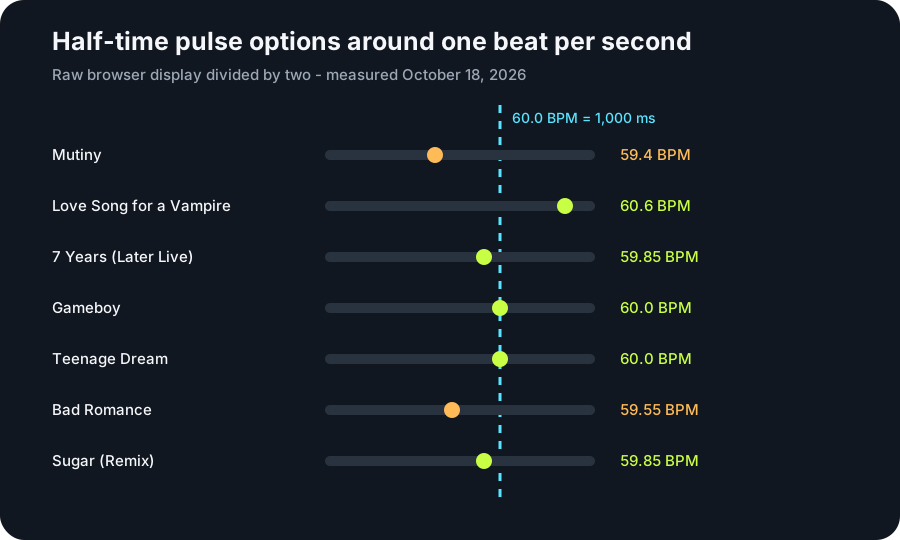
These seven exact catalog previews produced raw BPM Finder readings from 118.8 to 121.2 BPM; dividing those displays by two gives working half-time pulses from 59.4 to 60.6 BPM. Each row keeps the raw reading beside the arithmetic. The values describe the available excerpt and chosen pulse layer, not a certified tempo for a complete commercial recording.
Raw browser readings and explicit half-time arithmetic
The one-second test shows what the half-time number means
At exactly 60 BPM, each chosen beat is one second apart: 60,000 milliseconds divided by 60 equals 1,000 milliseconds. The 118.8 BPM raw reading for the linked Mutiny excerpt becomes 59.4 BPM at half-time, or 1,010.1 milliseconds per chosen beat. The 121.2 BPM Love Song for a Vampire reading becomes 60.6 BPM, or 990.1 milliseconds. Those interval values are arithmetic from the displayed readings, not additional audio measurements.
Original one-second comparison. The center line is exactly 60 BPM; every marker comes from the raw display in the shortlist divided by two.
A double-time reading does not make the slow pulse false
The analyzer followed a faster recurring layer in all seven accepted previews. This page preserves that raw layer and shows the slower option as explicit division by two. A listener, editor, or performer can choose the 60 BPM layer when one beat per second matches the task, while a DAW grid may remain easier to read near 120 BPM.
The choice is rhythmic interpretation, not a hidden correction. Nothing on this page claims that the detector measured a separate 60 BPM signal after it displayed the faster value.
Exact versions prevent a convenient title match from becoming evidence
The 7 Years row is a named later live performance, and Sugar is a named remix. Their readings belong to those linked catalog files. A studio recording, remaster, acoustic take, or different remix can produce another result even when the visible song title is similar.
Seven other candidates were kept in the screening file but not the first-screen list. Their raw displays converted outside the declared half-time window or represented a pulse that did not support this page's one-second shortlist.
Questions about the 60 BPM list
Are these songs exactly 60 BPM?
Two linked previews displayed 120.0 BPM and therefore convert arithmetically to 60.0 BPM at half-time. The other accepted versions land from 59.4 to 60.6 BPM. None is certified here as one fixed tempo across the full recording.
Why not hide the 120 BPM readings?
Because the browser actually displayed the faster layer. Keeping that evidence visible lets a reader distinguish measurement from interpretation.
Can I test another version?
Yes. Load a lawful local file into the BPM Finder, keep its raw display, then compare the value and its half-time partner with the pulse you intend to count.
Sources and measurement conditions
On October 18, 2026 in Shanghai time, each public Deezer catalog preview was fetched into memory and supplied through the browser file chooser to the unmodified Tap BPM Now BPM Finder in installed Chrome. The tool reported Analysis complete and displayed the one-decimal raw readings recorded here. No preview audio or lyrics are hosted on this page.
The available files were short catalog previews. Their positions inside the complete recordings were not stated. This test did not establish full-song stability, intended meter, repeatability, or analyzer error margin. The screening CSV preserves source records, UTC measurement times, raw displays, arithmetic, and decisions.