Intervals used by the calculation
- — ms
- — ms
- — ms
- — ms
- — ms
- — ms
How this BPM calc works
- Tap twice to create the first elapsed interval between beats.
- Continue tapping in time. The current value uses the newest interval, and the average uses the mean of all intervals in the reading.
- Check the millisecond list when a result changes unexpectedly; an unusually short or long interval reveals the mistimed tap.
BPM to ms and milliseconds to BPM formulas
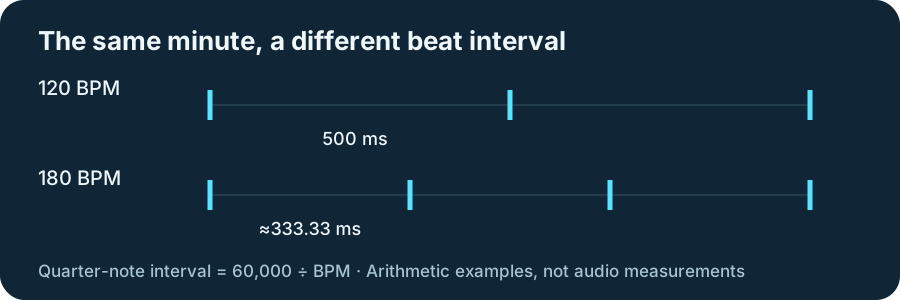
The calculator divides one minute in milliseconds by the measured interval. The same relationship works in reverse for a bpm to milliseconds calculator: divide one minute in milliseconds by the BPM. These examples are direct results of that formula.
| Measured interval | Calculation | Result |
|---|---|---|
| 1000 ms | 60,000 ÷ 1000 | 60 BPM |
| 750 ms | 60,000 ÷ 750 | 80 BPM |
| 600 ms | 60,000 ÷ 600 | 100 BPM |
| 500 ms | 60,000 ÷ 500 | 120 BPM |
| 400 ms | 60,000 ÷ 400 | 150 BPM |
BPM = 60,000 ÷ interval in milliseconds
BPM calc questions
These answers clarify the interval formula, the averaging method, and the live-tap input used by this calculator.
How is average BPM calculated?
The tool first finds the mean interval across the active tap sequence, then converts that mean interval to BPM with the formula above.
Why calculate from the mean interval?
Combining the intervals prevents one tap from replacing the entire reading. The current BPM remains available when you need to inspect only the latest pair of taps.
Can I enter a number manually?
This page calculates from live taps. Use the displayed interval list and formula when you already have an interval value to convert.
How do I use this as a bpm to milliseconds calculator?
Divide one minute in milliseconds by the BPM value. The result is the duration of one beat in milliseconds.
How does the milliseconds to bpm calculator work?
Divide one minute in milliseconds by the interval between beats. The result is the corresponding BPM.
All calculations happen locally in your browser. No audio or tapping data is uploaded.